
Check the stake before you spin
 Available in US

A practical guide to paylines, stake settings and the rules that shape real-money slot play.
Real-Cash Slots: Spins, Lines and Stake Limits
When you open a slot for real-money play, the stake shown on the screen is not always the whole story. A spin may involve several active paylines, and the number you choose can change both what the spin costs and how many routes there are to a winning combination. Before pressing spin, check what the game has selected: it is easy to focus on the symbols and miss the stake setting.
A payline is a pattern across the reels that the game treats as a possible winning route. Some lines run straight across; others follow different paths through the grid. A win depends on matching symbols landing in the required positions along an active line, according to that game’s rules. The paytable explains which combinations count and what they pay. It is worth a glance before you start, because two slots can look similar while using different rules.
The basic trade-off is straightforward: activating more paylines gives you more chances to hit a winning combination on a spin, but it also increases the cost of that spin. More lines do not mean that a win is due, or that a particular result is more valuable. They simply give the game more active patterns against which symbols can form a qualifying combination. The extra coverage comes at a price.
The way that price is displayed varies. A game may show the total stake for the spin, or let you adjust the stake assigned to each line as well as the number of lines. In either case, look for the total cost before you play. If you are changing the number of active lines, check whether the overall stake changes too. Don’t assume that selecting one more line is a small adjustment; the amount depends on the game’s settings.
There is no need to activate every available line simply because the game offers them. Choose a stake you are comfortable with and make sure you understand what it costs each time you spin. If the controls are unclear, pause and check the game information rather than testing settings with real money. That is a dull way to learn, but cheaper than guessing.
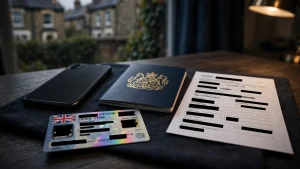
The stake limit for online slots
In Great Britain, the maximum stake for an online slot game cycle depends on the player’s age. Customers aged 25 and over can stake no more than £5 per spin. For customers aged 18 to 24, the maximum is £2 per spin. These limits apply to the stake for the game cycle, not to the amount a player might choose to stake on one individual payline.
That distinction matters when a slot has several active lines. The total stake across the spin still has to stay within the relevant limit. For instance, a game’s line settings may spread the stake across active paylines, but the number to check is the overall amount committed to that spin. If changing the lines pushes the total above your age-group limit, the game should not allow that stake.
The limit is a ceiling, not a suggested amount. You can choose a lower stake, and you do not have to use the maximum available. In practice, the useful habit is to check the total stake after changing any setting, then check it again before the next spin if the game has altered or reset its controls. A bright button is not a budget plan.
Slots can present their controls differently, so give yourself a moment to read the labels. Look for the active paylines, the stake per line if shown, and the total stake for the next spin. The paytable and help screen can clarify how the game counts a line and what combinations qualify. If you cannot tell whether the displayed amount is a line stake or the full spin stake, do not press play until you have worked it out.
For real-cash slots online, paylines are a practical setting, not a shortcut to better results. More active lines mean a greater chance of a winning combination on that spin, alongside a higher spin cost. Keep the total within the applicable stake limit and choose settings with their cost in view. The mechanics are simple enough once you separate the number of routes from the price of taking them.
Getting Paid: Payment Methods and What to Check
A casino can advertise real-cash games, but the payment route matters when you want to move money back to your bank. Before you deposit, check which methods are available for both deposits and withdrawals, and read the terms for each one. A method shown on the cashier screen is not automatically available for every stage of a payment.
A specialist payment review identifies PayPal, open banking services and debit cards connected to fast payout systems as routes generally associated with quicker payouts. Treat that as a guide to methods worth checking, not a promise about a particular casino or transaction. The operator’s own payment information should say which options it supports and what steps apply before a withdrawal is sent.
Match the route to the whole payment
Start in the cashier, then look for the operator’s payment terms. Check whether the same method can be used to deposit and withdraw, or whether a different route is required for payouts. If the wording is unclear, ask customer support before you send money. It is easier to sort out a payment question while your balance is still untouched.
With PayPal, check that it is offered for withdrawals as well as deposits. For open banking, find out which service is used and whether your bank is supported. If you prefer a debit card, make sure the casino accepts that card for the transaction you intend to make. Do not assume that a method listed in a general advert appears in your own account’s cashier.
The card restriction is important: credit cards cannot be used for gambling. Use a debit card, not a credit card, and do not route a credit-card-funded payment through an e-wallet to get around that rule. If you are unsure how a wallet was funded, use another permitted source of money rather than trying to disguise the original payment route.
 Live Dream Catcher Casino UK: How the Game WorksSee how the studio stream and digital betting controls work, what to check in a live-game offer, and why availability varies by…
 5-Reel Slots in the UK: Formats and FeaturesLearn what five reels tell you, how demo play differs from cash prizes, and why the stake setting and game rules matter.
Read the payment terms before depositing
Look for the practical details, not just a row of familiar logos. The terms should explain how to request a withdrawal, which payment methods are eligible, whether the operator may ask you to choose another route, and whether any fees or transaction conditions apply. If a detail is absent or hard to follow, ask the operator to clarify it in writing before depositing.
Check the currency and account details shown at checkout, too. Make sure you understand which account or service will receive a payout and that you can access it. A typo in payment details can turn a straightforward request into a support conversation. Keep a record of the method you selected and any confirmation the cashier provides.
It is also worth separating the casino’s processing from the onward movement of money. A payout may involve more than one organisation, so a statement about one stage does not necessarily describe the whole journey. If the operator gives an estimated timeframe, check what event starts that clock and whether it refers to approval, dispatch or receipt. Those distinctions matter more than a vague “fast payments” label.
Pause if the route is unclear
Before confirming a deposit, check the amount displayed, the payment method, and any terms attached to using it. Make sure the page has not switched you to a different option, and do not proceed if you cannot tell where the money is going or how a withdrawal would be handled. Save the relevant payment information so you can refer to it later.
When comparing online casinos that pay real cash, payment choice is only one part of the picture. A familiar logo does not prove that withdrawals use the same route as deposits, and a fast-sounding method does not settle every question about an individual payout. Check the operator’s current cashier and terms rather than relying on an old review or a general claim.
I would not deposit first and investigate later. Confirm the route, read the conditions, and make sure the method suits you at both ends of the transaction. If the answers do not add up, leave the cashier alone until they do.
Choosing a Real-Cash Casino in Great Britain
When I check whether a real-cash casino is suitable for someone in Great Britain, I start with the operator’s licence, not the look of its website or the games shown on the home page. For customers in England, Scotland and Wales, a business offering online casino gambling must hold the relevant licence from the UK Gambling Commission (UKGC). A site’s own claim that it is licensed is a prompt to verify, not the verification itself.
The Commission regulates commercial gambling in Great Britain, including remote casino services offered to people there. That requirement applies even when the operator’s equipment or business is based elsewhere. So a foreign address, overseas servers or an app-store listing do not alter the basic question: is the business providing the service to Great Britain customers covered by the required UKGC operating licence?
 Online Bingo UK: Formats, Slots and PaymentsCompare bingo formats, linked slot games, ticket costs and payment options. A 90-ball ticket has three rows and nine columns.
 Casino Dice Games in the UK: Rules and ChoicesLearn how online dice formats differ from dice-themed slots, what the UK licensing divide means, and which rules to check before staking.
Check the operator, not just the brand
A casino brand and the company legally responsible for running it may have different names. Find the operator’s legal name in the site’s terms, licensing information or footer, then compare that name with the UKGC’s public register. Check that the register entry relates to the business behind the casino and includes an operating licence appropriate to remote casino gambling. A licence for an individual, for example, is not the same thing as an operating licence for a gambling business.
I also compare the site details shown by the operator with the information on the register. If the brand, company or web address does not line up clearly, pause rather than filling in the gaps yourself. A familiar-looking logo and a page full of licensing language cannot settle a mismatch. The useful detail is the identity of the licensed business and whether its authorisation covers the activity being offered.
This is a licensing check, not a test of whether the casino is the best place to play. A real-cash casino app is still part of the same picture: using an app does not remove the need for the operator to hold the relevant licence when it serves Great Britain. Nor does a large selection of real-cash slot games tell you anything conclusive about the company’s regulatory status. Separate the questions; it saves confusion.
Great Britain is not the whole UK framework
There is an important geographical distinction here. The UKGC is the sole regulator for commercial gambling in Great Britain, and the relevant licensing rules apply to operators serving customers in England, Scotland and Wales. Northern Ireland has a separate regulatory framework, so the Great Britain licence position should not be treated as if it applies there in the same way.
That distinction matters if you live in Northern Ireland or are checking a service for someone who does. Do not assume that a statement about Great Britain automatically answers the licensing question for Northern Ireland. The applicable framework differs, and the place where the customer is based is relevant to understanding which rules apply.
The Gambling Act 2005 provides the main legislative framework for gambling in England, Wales and Scotland; Northern Ireland is outside that Act’s scope. That is why broad wording such as “UK-licensed” can be less informative than it first appears unless you know which jurisdiction and operator the claim refers to. Read the licensing details in context.
A quick way to make the check
Before treating a site as a candidate, identify the company named as its operator, search for that company in the UKGC register, and confirm that the listed authorisation covers remote casino gambling. If the details are unclear or do not match, do not rely on the casino’s own wording alone. I would rather spend a moment resolving that than guess from a polished page.
Once the licensing picture is clear, you can assess other practical points separately. But those checks cannot substitute for the licence: an attractive app, a broad game lobby or a claim to offer the best real-cash casino experience does not establish that the operator is authorised to serve Great Britain. Start with the business behind the brand. That is the part that counts.
Playing Casino Games for Real Money
When choosing an online casino for real-money play in the UK in 2026, payout timing is one practical detail to check. Use this list to see the stated payout speed for each operator.
-
WinBeast
- Payout speed
- 1-3 business days
WinBeast has a listed payout speed of 1–3 business days, giving you a stated timeframe to consider.
-
Chanze
- Payout speed
- 1-3 business days
Chanze has a listed payout speed of 1–3 business days, a useful detail for you to weigh when considering withdrawals.
-
Zombillion
- Payout speed
- 1-3 business days
Zombillion lists a payout speed of 1–3 business days, so you have a stated timeframe for withdrawals to take into account.
-
EvoSpin
- Payout speed
- 1-3 business days
EvoSpin’s listed payout speed is 1–3 business days, providing you with a clear detail to consider.
-
Dieselwin
- Payout speed
- 1-3 business days
Dieselwin lists payouts at 1–3 business days, giving you a stated withdrawal timeframe to keep in mind.
-
SlotoSport
- Payout speed
- 1-3 business days
SlotoSport has a listed payout speed of 1–3 business days, which gives you a timeframe to consider when reviewing the operator.
-
NightWin
- Payout speed
- 1-3 business days
NightWin lists a payout speed of 1–3 business days, offering you a stated timeframe for withdrawals.
-
SpinFormula
- Payout speed
- 1-3 business days
SpinFormula’s listed payout speed is 1–3 business days, a practical detail for you to consider.
-
Revery Play
- Payout speed
- 1-3 business days
Revery Play lists payouts at 1–3 business days, giving you a stated withdrawal timeframe to factor in.
-
Britsino
- Payout speed
- 1-3 business days
Britsino has a listed payout speed of 1–3 business days, providing you with a stated timeframe to consider.
Before you start playing casino games for real money, pause at the point where a free game becomes real-money play. A free version lets you try the game without staking cash; it is not the same as playing for a cash return. Check which mode is selected before you begin, and make sure you understand when a stake will be taken from your account.
Age and identity checks are part of getting started, not an optional step to leave until later. In Great Britain, you must be at least 18 to gamble online. The operator must establish your identity and verify your age before you can deposit or play. If a site asks for information to complete those checks, follow the instructions through its own account process rather than trying to work around them.
I would not treat a quick sign-up as proof that everything is ready. Registration and permission to gamble are different things: age and identity need to be verified before you can put money in or open a real-cash game. If verification is incomplete, stop there. It is better to resolve that first than to discover a problem after you have started.
Before a first deposit, consider setting a financial limit. Decide what you can afford to spend, then use the operator’s deposit-limit controls to put a boundary around deposits. A limit is useful only if it reflects your own budget; it is not a reason to deposit more than you can comfortably lose. Keep essential bills and other commitments out of the calculation.
Once you are ready, check the game mode and stake shown on screen before each session. A real-cash slot or table game can use funds from your account, while a free-play version does not put your cash at stake. Do not assume the two modes behave identically or that results in a free game tell you what will happen in real-money play. They are separate experiences.
- Complete all age and identity verification checks
- Set a financial deposit limit based on your budget
- Confirm whether you are in free-play or real-money mode
- Verify the stake amount shown on the screen
It also helps to decide in advance what would make you stop. If you find yourself raising your spend to recover losses, or playing when you had planned to stop, step away rather than adjusting your limit in the moment. You can use the operator’s account controls to keep your spending within the boundary you chose.
The basic checks are straightforward: be old enough, complete identity verification before depositing or playing, and set a deposit limit before your first deposit. Then make sure you are in the mode you intended to use. A few deliberate steps at the start can prevent a very ordinary mistake: playing for cash when you thought you were only trying a game.
Can You Actually Win from Online Slots?
Yes, a slot can pay out real cash, but a win on one spin does not make a win on the next more likely. Each spin stands on its own: previous results have no bearing on future outcomes. A run of losses is not a signal that a payout is “due”, and a recent win does not mean the game is about to stop paying.

That is the point people tend to lose sight of when they play for a while. A screen full of near misses can feel like progress, but it does not tell you what the next spin will do. Nor does a streak of wins offer a reliable read on what comes after it. The machine is not keeping a score that you can use to predict its next result.
Every player has an equal chance of winning. That does not mean every session ends with a payout, or that everyone leaves with the same result. It means you cannot improve your chance by studying someone else’s past spins, copying a sequence of bets or waiting for a particular pattern to appear. Those approaches can make play feel more controlled. They do not turn it into a dependable way to make money.
So, if you are wondering how to win real cash playing slots online, the honest answer is that there is no method that guarantees a profit. You may win, but you may also spend money without getting a return. “Real-cash winning slots” describes the possibility of a payout, not a promise about what will happen to your balance.
The same distinction matters with slot machine apps that pay real cash. An app can offer access to real-money play, but its format does not give you extra control over the outcome. Playing on a phone, tablet or computer does not make past spins more useful as a guide. The result remains uncertain.
Free casino games with real cash prizes may sound like a way to win without risk, but read the offer attached to them rather than assuming that “free” means unrestricted cash. A prize can come with conditions. That is separate from the spin itself: no previous result makes a future one more likely, and no pattern guarantees a payout. The small print matters. So does the distinction between a prize shown in a game and money you can actually withdraw.
I find it helps to treat a slot as entertainment with an uncertain outcome, not as a plan for earning. If you choose to play, decide what you are comfortable spending before you start and do not chase losses by raising your stake. A winning session can happen; it is not evidence that you have found a system. And when the next spin begins, the last one is already irrelevant.
What a Real-Cash Casino Should Make Clear
Before you use a real-cash casino, look at what happens before money or play is allowed. The operator must establish your identity and verify your age before you can deposit or gamble. That is a safeguard, not an optional extra to be sorted out only when you try to withdraw.
A sign-up form may collect basic details, but do not assume that completing it means every check is finished. The important point is that the casino must complete the required age and identity checks before letting you deposit or play. If it asks you to provide information, use the operator’s own account area or another stated secure channel. Be wary of messages asking for personal documents through an unexpected link; contact the operator through its site or app to confirm the request.
I would also check whether the casino explains how to get help when something goes wrong. A real-money gambling operator should have an internal complaints process and provide access to an approved Alternative Dispute Resolution service. The first route is to raise the issue with the operator using its stated process. If the dispute is not resolved, the information about ADR should tell you where it can be taken next.
 Mines Casino Game in the UK: What to KnowLearn how UKGC licensing differs from offshore access, what a Mines demo can show, and why patterns cannot predict random outcomes.
 JetX Casino Game in the UK: How It WorksLearn how JetX differs from a slot, what a demo can show, and which licence, offer terms and payment details matter before…
That information should be findable without a hunt through pages of promotional copy. Check the help or complaints area for the steps to follow, what details to include and how to contact the relevant service. Keep copies of messages and any reference details you receive; they make it easier to describe the issue consistently.
A real cash casino online should also make its player-facing safeguards understandable, not bury them in jargon. Read the account and help pages before you start, especially if you are unsure what information the operator needs or how to raise a concern. If the process is unclear, ask support to explain it before you deposit. A quick answer is useful; a vague one is a reason to pause.
These checks are separate from deciding whether a game suits you or whether an offer is worth accepting. They are about whether you can understand the basic protections around your account and what to do if there is a problem. In a real cash casino, clear procedures matter most when you need them. Not after the fact.
Deposits, Welcome Offers and the Small Print
A welcome offer can make a first deposit look more generous than it is. Before you opt in, check who qualifies, which payment methods count and when the offer expires. The terms matter more than the headline.
A specialist review reports that welcome deals are often restricted to new customers and limited to one per household. That can rule you out if someone else at your address has already claimed the offer, even if you are opening your own account. Read the eligibility wording before depositing rather than assuming a separate account means a separate entitlement.
Do
- Read full eligibility and expiry terms
- Check for payment method exclusions
- Verify if bonus funds or free spins are credited
Don't
- Use a credit card to fund your account
- Assume a separate account grants a second household offer
- Rely only on the headline of a welcome deal
Payment method is another common condition to check. The same specialist review notes that some offers exclude particular methods, including e-wallets. A deposit made with an excluded method may not trigger the deal, so look for the eligible-method list and any opt-in step in the promotion’s terms. Do not use a credit card to fund gambling; UK gambling rules prohibit credit-card payments for casino play.
Also check whether the bonus is credited as bonus funds, free spins or a combination. Those are not necessarily available indefinitely. A specialist review gives a typical expiry window of 7 to 30 days for bonus funds and free spins, but the terms for the offer in front of you are what count. Find the expiry date and work out whether you can use the promotion within that period. If you miss it, the unused bonus or spins may disappear.
I would read the offer page and the full terms together. The short description may explain the headline, while the detailed rules define eligibility, payment exclusions and expiry. Save or note the terms when you accept, especially if the offer is attached to a particular deposit. That gives you a clear record of what you agreed to, rather than relying on a banner you may not see again.
For UK-licensed real-cash casinos, the same habit applies: judge a welcome deal by its conditions, not just its size. If a clause is unclear, ask the operator to explain it before opting in. A few minutes spent checking can prevent a frustrating surprise later.
Real-Cash Payouts: Read the Bonus Terms First
A balance shown beside a slot is not necessarily ready to withdraw. If part of it comes from a bonus, the offer may require you to wager the bonus before related winnings become cash you can request. Check whether the requirement applies to the bonus, the bonus plus your deposit, or winnings from free spins; those are different terms, and the wording matters.

For a simple illustration, a £10 bonus with a 10x wagering requirement calls for £100 in qualifying wagers before the relevant winnings can be withdrawn. That is the full amount wagered, not a target profit. British rules cap wagering requirements on bonus funds at 10x, but you should still read how the casino defines the qualifying balance and which games count.
Contribution rates can make the requirement less straightforward than it first appears. A specialist review describes slots as contributing 100% towards wagering, while live table games and blackjack may count for less or not count at all. The operator’s own terms are what you need to check for a particular offer: a game that appears eligible may add little to your progress, or none. If you plan to play on an iPhone, look for the same contribution table in the mobile offer terms rather than assuming it differs from the desktop version.
Also check any maximum bet rule while a bonus is active. A wager above the stated limit can put bonus eligibility or winnings at risk, even if the game itself accepted the stake. Look for the rule before you start, not after a balance has grown.
Free spins need their own check. A specialist review notes that some free-spin offers cap withdrawals from resulting winnings. In that case, a larger win does not necessarily mean the whole amount becomes withdrawable. Read the cap alongside the wagering terms, expiry conditions and eligible games. Keep a copy of the offer terms as they appeared when you accepted them. Small print, big difference.
Wagering Example
A £10 bonus with a 10x wagering requirement requires £100 in qualifying wagers before winnings can be withdrawn. Note that different games (like slots vs. table games) may contribute different percentages toward this total.
How Long Can a Casino Withdrawal Take?
“Instant cash out” sounds clear, but it does not necessarily mean money appears in your bank account the moment you request it. A withdrawal can involve the casino processing the request and the payment service then transferring the funds. Those are separate steps, so the time shown for one part may not describe the whole journey.
A specialist review identifies PayPal, open banking services and debit cards connected to fast payout systems as generally among the quickest routes. That is a useful comparison, not a promise of instant arrival. The payment option available to you, the casino’s handling of the request and the receiving provider can all affect what happens in practice.
If you are choosing a real-cash payout casino, look for its stated withdrawal processing times and check whether they distinguish between the casino’s review and the transfer itself. Also check that the payment method you plan to use is supported for withdrawals. A method offered for deposits is not automatically available for cashing out.

The same applies when playing through a real-cash payout casino app: using an app does not, by itself, make the payment arrive sooner. The payout still follows the casino’s and payment provider’s processes. If a site advertises an instant cash-out option, read what “instant” refers to before relying on it. It may describe the request or approval stage rather than funds reaching your account.
For a fair comparison, note the route, the time the request was submitted and when the funds actually arrived. That gives you a more useful picture than a headline claim, while recognising that one withdrawal does not guarantee the next will take the same time.
If speed matters, compare the available routes before requesting a payout and use the casino’s published guidance as your starting point. If the stated window passes, contact the operator through its support channel and ask whether the withdrawal has been processed or is still being handled. Keep the confirmation details. A little record-keeping helps.

No-Deposit Bonuses: Check the Conditions Before You Play
A no-deposit bonus lets you try an offer without making an initial deposit. That does not necessarily mean any winnings are ready to withdraw as cash. Before claiming one, open the full terms and check what the bonus actually allows you to do.
Start with the wagering requirement: it sets how much qualifying play is needed before bonus-related winnings can be withdrawn. In Great Britain, wagering requirements on bonus funds cannot exceed 10x. Check how the operator defines the requirement and whether it applies to the bonus, winnings, or both. A short headline may not spell out the distinction.
Then look at the other limits attached to the offer. The terms may specify a maximum bet while the bonus is active, which games count towards wagering, and whether different games contribute at different rates. If you are considering a no-deposit bonus for real-cash slots, check that those slots qualify and how much their play contributes. Do not assume every game counts equally.

Check for a maximum cashout as well. An offer can limit the amount you may withdraw from winnings, even if you meet the wagering requirement. The key is to understand each condition before you start, not after you have built up a balance.
The same checks matter whether you access a casino on a computer or an Android device. The app or mobile site does not change the offer’s terms. Save or reread the conditions before accepting, especially if the promotion is presented in a short banner rather than on a full terms page.
A no-deposit offer can be a way to try real-money casino games without putting in your own funds first, but it is not a shortcut around the rules attached to bonus play. If the wagering rules, eligible games, maximum bet or cashout limit are unclear, pause before claiming it. Clarity first.
How can you check whether an online casino is licensed in the UK?
For England, Scotland and Wales, check the UK Gambling Commission’s register for the operator and its relevant licence. The register dated 26 September 2026 does not list LuckyPays under its brand or luckypays.io; Northern Ireland has a separate regulatory framework.
Which payment methods are generally quickest for withdrawals?
PayPal, open banking services and debit cards connected to fast payout systems are generally among the quickest. Check the casino’s cashier and payment terms to confirm which methods it supports for withdrawals.
What is a wagering requirement?
It is the amount you must bet using bonus funds before you can withdraw winnings. For example, a £10 bonus with a 20x requirement means you must wager £200.
Casino Games in the UK: Slots, Live Play and More
Content created by the «luxurytrump» team