
Choose a Roulette Table with the Right Expectations
 Available in US

A practical guide to live and computerised roulette, table formats, variants, betting pace and the limits of free play.
How Live Roulette Works Online
When you open roulette at an online casino, the first thing to work out is whether you are watching a real wheel or a computer-generated game. Both use the familiar idea of selecting a number or another outcome, then seeing where the ball lands. The difference is how that result is produced.
In live dealer roulette, a human dealer spins a physical wheel in a studio. The game is streamed in real time, and you make your selections through buttons on the screen. The video shows the dealer and wheel; the betting interface is how you take part from your device. In computerized roulette, there is no live wheel producing the result. A Random Number Generator, or RNG, determines it.
That distinction is more useful than the word “live” on its own. It tells you what is happening behind the display, rather than simply describing how the game looks.
The live wheel and the screen
A live roulette game brings two parts together: the studio stream and the on-screen controls. You watch the dealer spin the wheel and release the ball, while using the interface to select where you want your stake to go. The screen is not a physical betting table, of course; it is the way your choices are sent into the game.
If you’re choosing a UK live roulette site with English-speaking dealers, check the table and dealer details before you play. The payout information below is one practical point to consider.
-
WinBeast
- Payout speed
- 1-3 business days
WinBeast lists a payout speed of 1–3 business days. You can use this as a reference when considering how quickly withdrawals are processed.
-
Chanze
- Payout speed
- 1-3 business days
Chanze lists a payout speed of 1–3 business days. You can factor that stated timeframe into your choice.
-
Zombillion
- Payout speed
- 1-3 business days
Zombillion lists a payout speed of 1–3 business days. This gives you a stated timeframe to consider for payouts.
-
EvoSpin
- Payout speed
- 1-3 business days
EvoSpin lists a payout speed of 1–3 business days. You can keep that timeframe in mind when reviewing the operator.
-
Dieselwin
- Payout speed
- 1-3 business days
Dieselwin lists a payout speed of 1–3 business days. This is the available payout detail for you to consider.
-
SlotoSport
- Payout speed
- 1-3 business days
SlotoSport lists a payout speed of 1–3 business days. You can use the stated timeframe as one point in your review.
-
NightWin
- Payout speed
- 1-3 business days
NightWin lists a payout speed of 1–3 business days. That gives you a stated payout timeframe to bear in mind.
-
SpinFormula
- Payout speed
- 1-3 business days
SpinFormula lists a payout speed of 1–3 business days. You can consider this timeframe when assessing the operator.
-
Revery Play
- Payout speed
- 1-3 business days
Revery Play lists a payout speed of 1–3 business days. This stated timeframe is the available payout information for you to consider.
-
Britsino
- Payout speed
- 1-3 business days
Britsino lists a payout speed of 1–3 business days. You can take that timeframe into account when reviewing the operator.
The dealer’s spin and the ball’s movement are visible as the round unfolds. When the ball comes to rest, it lands on a number. If you selected that number, your bet wins. The wheel is physical, but your participation is digital: you do not need to be in the studio or touch the table.
I find it helpful to keep those roles separate. The dealer operates the wheel; the interface records your bet. The stream lets you follow the action, while the controls let you choose. It is still roulette, just watched and played remotely.
The live format can feel closer to watching a game happen than pressing a button on a standalone screen. But the video does not mean you are physically at the table, and it does not change the basic aim of the game. You choose, the wheel turns, and the ball settles on a number. That is the whole shape of a round.
What computerized roulette does differently
Computerized roulette does not rely on a dealer spinning a physical wheel for each result. Instead, an RNG determines the outcome. The game presents that result on screen, but there is no live dealer-and-wheel sequence behind it.
The two formats can look similar at a glance because both show roulette and let you make selections through an interface. The key difference is not the colour of the screen or the way the controls are arranged. It is whether the result comes from a physical wheel shown in a live stream or from the game’s RNG.

That also means the word “online” does not tell you which format you are looking at. An online roulette casino may offer a live dealer game, computerized roulette, or both. Read the game’s description and look at what is actually displayed: a studio stream with a human dealer points to live dealer roulette; a computer-generated game uses an RNG.
Do not treat the interface as evidence of how a result was made. In either format, you interact with the game digitally. The live stream is what distinguishes the physical-wheel experience, not the fact that you can place a selection with a tap or click.
Which format are you choosing?
If you want to see a human dealer spin a real wheel, look for live dealer roulette. If you are content with a computerized game, the result is determined by an RNG rather than a streamed physical spin. Neither label changes the basic roulette outcome: a selected number wins when the ball lands on it.
For someone searching for roulette at an online casino in the UK, the useful question is not simply whether roulette is available. It is which format the game uses. “Live” means a dealer and a physical wheel are streamed from a studio; computerized roulette means an RNG determines the result. A clear game listing should make that distinction understandable before you start.
I would not assume that a realistic-looking display is live. A computer-generated game can present roulette on screen without showing an actual dealer or wheel. Check the game itself, rather than relying on a thumbnail or a broad category label. It takes a moment and saves a muddle later.
The same distinction applies whether you are using a phone, tablet or computer: the device is only how you view the game and make selections. In live dealer roulette, the studio stream shows the physical action, and the interface carries your choices. In computerized roulette, the RNG determines the result. Once you know which one you have opened, the format is no mystery.
Roulette Tables: What the Casino Format Changes
At a live roulette table, the casino is not just a background around the game. The wheel, the dealer and the betting interface all shape how a round feels. You watch a real person spin a physical wheel in a studio, while your own bets are placed on screen. The action is live, but you are not reaching across a table or handing chips to the dealer.
That split is the main adjustment. The dealer controls the physical game; you use the interface to choose and submit your bets. The wheel is part of the streamed scene, while the betting area is a separate digital layer. You may find yourself watching one and checking the other in turn. It takes a little getting used to, then becomes the ordinary rhythm of a live table.
The dealer gives the game a human focal point. You can follow the spin as it happens rather than seeing only a result generated on a screen. The studio setting also makes the table feel like a shared event: the dealer is hosting a game that other players can watch, even though each person interacts through their own device. It is still an online casino, not a physical table with you seated beside the wheel.
The interface does more than display the betting area. It is how you take part. You select a wager on screen, and the live game proceeds around that digital action. That means your attention is divided between the controls and the stream. If you are new to the format, it is worth taking a moment to understand where the betting area is and how the screen presents the round before you join in. A physical wheel may look familiar; placing bets through a screen is the part that can feel less so.

A live dealer roulette table also has a different tempo from a fully digital game. There is a person running the round and a real wheel in view, so the experience does not feel as instant as software-led play. That slower pace is part of the format, not a glitch. It gives you time to watch what is happening, but it can also feel less suited to someone who wants quick, uninterrupted spins.
I find the distinction useful: the stream supplies the table atmosphere, while the interface does the practical work. Neither replaces the other. A clear view of the game helps you follow the live action; a usable betting area lets you participate without having to guess which controls do what. If your connection is unstable, the stream may not keep pace smoothly, so a steady internet connection matters for following the table.
This is why a roulette casino with live dealer games can feel quite different from a digital roulette screen, even when both present a betting layout. One puts a human dealer and a physical wheel at the centre of the experience. The other relies on software to run the game. In the live format, you are watching events unfold in a studio while making choices through the interface. The combination is the point.
There are practical trade-offs. Live games tend to move more slowly than digital versions and can have higher minimum bets. You get a more table-like setting, but not the speed or flexibility of a game that runs entirely on your device. That is worth knowing before you settle into a round. A stream can make roulette feel more social and immediate, but the actual participation remains screen-based.
The format is straightforward once you separate its two parts: a dealer operates the wheel, and you place your wagers through the on-screen controls. Keep your eyes on both. That’s the whole trick.
What to Check on a Live Casino Site
A polished lobby is easy to build; the checks that matter are less flashy. Before settling in at a live roulette table, I look at who operates the site, whether the stream is likely to work on my connection, and whether the live section behaves as clearly as the rest of the casino.
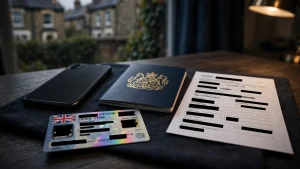
Check the licence, not just the badge
For real-money gambling in the UK, the operator needs a current licence from the UK Gambling Commission (UKGC). A licence badge in a footer is a starting point, not the whole check. Follow the link if one is provided, and make sure the operator named there matches the company running the casino. If the details are unclear or the link leads nowhere useful, I would not treat the badge as proof.
This matters because the licence applies to the operator, not to a particular roulette table or stream. Live dealer roulette may look like a studio broadcast, but the site taking your deposits and bets is still the business you need to assess. Take a moment to find its terms, contact details and responsible-gambling tools before you play. If those basics are buried or hard to understand, that is a useful warning in itself.
Make sure your connection can handle the stream
A live table depends on a real-time video feed, so a connection that copes with ordinary browsing may still struggle when the stream is running. I check the table’s preview before joining, let the video load, and see whether it stays clear rather than repeatedly pausing or dropping quality. Try the device and connection you intend to use; a good result on one does not guarantee the same experience on another.
If the picture freezes, the game can become difficult to follow. You may miss the dealer’s actions or have to wait for the interface to catch up. Live games move at a slower pace than digital versions, but that does not make a poor connection harmless. A stable internet connection is part of the setup, not a bonus feature.
Check the practical details on screen, too: whether the controls are readable on your device, whether the stream has sound controls, and whether the table’s help or rules panel is accessible. These are small things, until you are trying to follow a round on a cramped screen. No need to make it harder.
Look at how the live section works
A live casino should make it straightforward to move between the lobby, a table and the help information without losing track of where you are. Check that the game opens properly and that the betting controls respond as expected before committing money. If the interface is confusing in a low-pressure moment, it is unlikely to improve once the game is underway.
Live blackjack offers a useful comparison. Its dealer appears on a real-time stream and handles physical cards from a standard deck, rather than relying on a fully digital presentation. Tables may also let you chat with the dealer or other players; some offer side bets or Bet Behind. Those extras vary by table, so look at what is actually shown rather than assuming every game includes them.
I treat claims about a “best” roulette casino site with caution: a site’s suitability depends on its licence, stream quality and how comfortably you can use its interface. A ranked list cannot tell you whether the video will hold up on your connection. Check those basics yourself, and remember that this is entertainment, not gambling advice.

Finding a Roulette Table That Fits You
A table is a good fit when its rules, paytable and minimum stake suit the way you want to play. I would check those details before getting drawn in by the studio, the dealer or a busy-looking table list. The title of a table can tell you what game it is; it does not tell you whether its terms work for you.
Start with the rules shown on the table screen. Check the wheel and table layout, how bets are placed, and whether any special rules change how a winning bet is paid. If the table offers a choice of wheel layouts, make sure you know which one you have opened: American Roulette has green pockets marked 0 and 00, while European Roulette has a single green 0. That difference is easy to miss when you are switching between tables.
Next, open the paytable and look at the returns for the bets you intend to make. Do not assume that two tables with similar names display identical rules. The paytable is the useful reference for what a winning selection pays, while the rules explain how the table handles its bets. If either is difficult to find or unclear, I would move on rather than guess. Guessing is a poor table feature.
- Confirm the wheel and table rules
- Read the paytable for the bets you plan to make
- Check the displayed minimum stake against your budget
- Verify if the wheel is European (single 0) or American (0 and 00)
Then check the minimum stake and make sure it fits the budget you set before playing. Minimums can differ between tables, so a familiar game may still be outside the amount you are comfortable risking. A specialist review has reported that some live roulette and baccarat tables start at 20p; treat that as a report about particular tables, not a promise that every table offers that entry point. The available minimum is the one displayed by the operator when you are ready to play.
It also helps to decide what you want from the session before browsing. If you want straightforward rules, choose a table whose instructions and paytable you can read quickly. If you are comparing layouts, check the wheel and the rules each time rather than relying on the table name alone. Keep the choice practical: a table does not become suitable just because it looks polished or has a full lobby around it.
I would use a short check before placing a bet:
- Confirm the wheel and table rules.
- Read the paytable for the bets you plan to make.
- Check the displayed minimum stake against your budget.
- Leave the table if a rule or payout is unclear.
That is enough to make a considered choice without turning table browsing into a hunt for a supposedly perfect option. There is no single table that suits everyone; what matters is whether you understand its terms and are comfortable with its minimum. Set your budget first, and do not raise it to fit a table. This is entertainment, not gambling advice.
Roulette Variants and the Odds Behind Them
When you compare European and American roulette, the first thing to check is the wheel. European roulette has one green pocket, marked 0. American roulette has two: 0 and 00. That extra pocket changes the odds, even though the game may look much the same at a glance.
The 00 is not another name for zero or a label for a betting area. It is a separate number on the American wheel, and it also appears on the table layout. That gives the wheel an additional possible result. A bet on a number still depends on the ball landing on the number you chose; with an extra pocket in the mix, a single number is less likely to come up.

The stated chance of winning on a selected number is 1 in 37 on European roulette and 1 in 38 on American roulette. So the difference is small in appearance but real in the game’s maths: the American version has one more pocket that can take the result away from your pick. Worth noticing.
What the extra pocket changes
A useful way to think about the comparison is to picture the wheel as a set of possible landing places. On the European wheel, the green 0 is one of them. On the American wheel, both 0 and 00 are green pockets, and either can be the result. If you have selected a different number, neither green pocket matches it.
That is the practical effect of the double-zero. It does not make a particular number more likely on the American wheel, and it does not change which number you have selected. It adds another outcome that is separate from your selection. The odds therefore shift from 1 in 37 to 1 in 38.
It is easy to overlook this when scanning a casino roulette game menu. The labels “European” and “American” can sit beside similar-looking tables, but the pocket count is the detail that matters for this comparison. Before settling in, check which version the table uses rather than relying on the thumbnail or the general roulette label. A quick look at the wheel and layout should show whether there is a single 0 or both 0 and 00.
This is also why the word “roulette” alone does not tell you enough about the game’s odds. A roulette game in the UK may offer either layout, and the added pocket is not a cosmetic variation. If your priority is the better chance of hitting a chosen number, European roulette has the more favourable figure between these two versions.
Comparing the two versions
| Version | Green pockets | Chance of a selected number |
|---|---|---|
| European roulette | 0 | 1 in 37 |
| American roulette | 0 and 00 | 1 in 38 |
The table keeps the comparison simple: European roulette has one green pocket; American roulette has two. The difference in the stated odds follows from that extra pocket. It is not a promise that a European wheel will land on your pick, nor does choosing American roulette mean your number cannot win. Each result remains uncertain.
If you are browsing casino roulette games, use the full variant name as a starting point, then confirm the wheel and table layout. “American” should mean you can see both 0 and 00; “European” should show one green 0. That small check tells you which odds apply before you place a bet. No system can make the extra pocket disappear.
Playing for Real Money: Stakes and Table Pace
A live roulette session asks for a little more patience than a digital game. The wheel has to be spun and the ball allowed to settle, so each round takes longer. That changes how quickly you can place bets and see a result. If you are used to rapid spins, the pause between rounds can feel unfamiliar at first. It is simply part of the live format.
The minimum stake is another practical difference. Live tables can require more than digital versions, and the amount shown at one table does not tell you what another will accept. A specialist review reports that some live roulette and baccarat tables start at around 20p; it is an example, not a promise that every table will offer that entry point. Blackjack tables often have higher starting limits. Check the displayed minimum before joining, so you know whether the table fits the amount you planned to risk.
Your connection matters throughout the session. Live games need a stable internet connection to keep the stream and betting interface working properly. If the video freezes or becomes unreliable, you may find it harder to follow the round or place a bet in time. It is worth waiting until your connection is steady rather than trying to play through interruptions. Live roulette is not the format for a patchy signal.
Before you deposit or sit down, decide what you are comfortable spending and set that as your budget. Treat it as the limit for the session, not a target you need to use up. The slower pace can make the experience feel less rushed, but it does not make a stake safer or change what you can afford to lose. If you reach your limit, stop; do not chase losses or winnings by extending the session.
When you play roulette for real money, the sensible routine is straightforward: check the stake shown, make sure your connection is reliable, and keep to the budget you set beforehand. The table will move at its own pace. Give yourself room to follow it, rather than increasing your stakes because a round took longer than expected. Live play is entertainment, not gambling advice.
Free Roulette Play: What It Can and Cannot Do
Free roulette can help you get familiar with the basic sequence: choose a number, place a virtual bet and see where the ball lands. The central rule is simple: your selection wins when the ball stops on that number. A free version lets you watch that outcome without risking money.
That makes it useful for learning what the buttons do or following a spin without the pressure of a cash stake. You can practise recognising your selection on the table and seeing how the result is displayed. If the game offers different controls or layouts, take a moment to understand them before relying on what you have learnt elsewhere.
Limits of free play
Free play is for familiarisation and learning the controls; it does not pay out real money, and virtual results cannot predict future spins in real-money games.
There is a clear limit, though. Free play does not pay out real money, and a virtual balance is not a cash balance. A winning result in practice mode can show how the game records a win, but it does not turn into a withdrawal or a prize. Treat it as rehearsal, not a way to earn.
Nor does practice change the roulette result. The ball still lands on a number; selecting that number is what makes the bet a winner. A run of virtual results cannot tell you what the next spin will do. It may feel tempting to read a pattern into a short session, but that is just a story you can tell yourself after the fact.
The free version may also leave out parts of the experience you would encounter when gambling for real. Its controls, pace or available options can differ, so don’t assume that everything will feel identical. Use it to learn the basics, then check the rules shown for the particular game you intend to play.
If you are looking for free roulette at a UK casino, keep the distinction plain: practice play is for familiarisation, while real-money play involves gambling. The label “free” describes the practice mode, not a source of winnings. I find that distinction worth keeping in view; it is easy to blur when the screen looks much the same.
This is entertainment, not gambling advice. Free play can make the rules feel less unfamiliar, but it cannot predict results, guarantee a win or demonstrate that a staking approach will work. Learn the controls, understand what a winning selection means, and leave the virtual chips where they are.
Roulette Bonuses and the Terms to Check
A roulette casino bonus can look relevant without being usable at a live roulette table. A specialist review of UK welcome offers describes most as free spins for slot games, which cannot be used at live tables. So check the offer’s eligible games before opting in; the word “casino” on a bonus page does not tell you which games qualify.
The same applies to a no-deposit offer. The label alone does not show whether roulette is included, or whether a live table counts towards the offer’s requirements. Read the terms for the specific promotion rather than assuming that a bonus available without a deposit can be used on any game.
Check the weighting and limits
If live roulette is eligible, look for its game weighting. This is the share of your qualifying play that counts towards the wagering requirement. Live games can carry only a small weighting; one stated example is 10%. That means eligible play may count slowly, so compare the weighting with the requirement before deciding whether the offer is worth accepting.
Then check the maximum bet allowed while the bonus is active. A wager above that limit may breach the terms and affect bonus eligibility. Make sure you understand when the restriction applies and whether it covers all play or only play using bonus funds. Do not rely on a headline offer to explain those details.
I’d also check whether roulette winnings are treated differently from slot winnings and whether the bonus has to be claimed before you play. The terms decide what counts, not the name of the promotion. If the wording is unclear, ask the operator before opting in rather than finding out after a qualifying bet.
A bonus is optional. If its game restrictions, weighting or maximum bet limit do not suit the way you want to play, leave it unclaimed. Set a budget before playing, and do not let a promotion push you beyond it. This information is for entertainment purposes only, not gambling advice.
Roulette Bets, House Edge and Realistic Expectations
If you are looking for a reliable way to win at roulette, start with the less exciting part: no bet or staking pattern can make a spin predictable. The house edge is built into the game’s maths, so a run of wins does not change the chance of the next result.
A straight-up bet selects one number. Its house edge is 2.9%; other roulette bets have a 2.7% house edge. The edge is the casino’s mathematical advantage over time, not a prediction of what will happen in your next session. You might win a spin, or several, but that does not mean you have found a system that will keep working.
This is why systems such as doubling your stake after a loss cannot guarantee a profit. They change how much you wager and how quickly your balance can rise or fall; they do not change the wheel’s probabilities or remove the house edge. A winning streak can end, and a losing sequence can leave you committing more money than you planned. Chasing losses—or trying to extend a win beyond your limits—only puts those limits at risk.
There is a rules-based detail worth checking: in French Roulette, an even-money bet loses only half its stake when the ball lands on zero. That changes the treatment of that outcome, but it still does not make a win certain. Read the table rules before you play rather than assuming every roulette table handles zero in the same way.
I would treat any claim about the “best” way to win as a promise the game cannot make. Choose stakes you can afford to lose, set a budget before playing, and stop when you reach it. Don’t increase your stake because you feel a win is due; previous results do not oblige the wheel to produce a particular outcome next.
Roulette is gambling, not a dependable way to make money. This information is for entertainment purposes only and is not gambling advice.
Lightning Roulette: Treat Each Spin on Its Own
The word “Lightning” can make this game sound closer to a slot, but the basic roulette test remains straightforward: a ball lands on a number, and your bet wins if you selected that number. If it lands elsewhere, that selection has not matched the result. Keep your attention on the bet you placed and the number shown after the spin.
A live casino version presents roulette as a live game, not as a slot spin. The name does not change the central question for your bet: did the ball land on the number you chose? There is no need to turn the result into a bigger story. A win is a match; a non-match is not.
You may see previous results displayed while playing. Treat them as a record of earlier spins, not a forecast. A run of numbers does not tell you where the next ball will land, and a tracker cannot make a future result more predictable. The same goes for any highlighted number or feature: past outcomes are not a dependable guide to what comes next.
I find it helps to decide what you are betting on before the spin, then check the result against that choice. Avoid changing your view because of a short run on the screen. Each result answers only whether your selection matched that spin. That is the useful distinction; the rest is noise.
“Lightning Roulette slots” is a phrase people may use, but it does not make the game a slot. Focus on the roulette result and the bet you selected, rather than expecting a slot-style outcome or treating past results as a signal. Keep play within a budget you set in advance. This section is for entertainment purposes only, not gambling advice.
Is the house edge the same at all online live dealer casinos?
No, it varies by game and bet. In roulette, straight-up bets have a 2.9% house edge, while other bets have a 2.7% edge.
What are the different types of roulette you can play with a live dealer?
Common roulette formats include European, American and French roulette. American roulette has 0 and 00, while European roulette has a single 0; French roulette offers a half-loss rule on even-money bets when the ball lands on zero.
Why does the dealer always win in blackjack?
The dealer does not always win: your aim is to beat the dealer without going over 21. Blackjack retains a house edge, but that does not mean the dealer wins every hand.
How do you play live roulette?
Choose your bets using the on-screen interface, then watch the dealer spin the physical wheel. You win when the ball lands on a number you selected.
How can you win live dealer roulette?
You win a roulette bet when the ball lands on the number or outcome you selected. No betting system can remove the house edge.
How do you choose a live dealer casino?
In the UK, choose a casino that holds a UK Gambling Commission licence. Check that the game shows a real dealer and physical wheel if you want live roulette, and make sure your internet connection is stable.
How does the house edge change between games?
It varies by game and bet. In roulette, straight-up bets have a 2.9% house edge and other bets have a 2.7% edge; in baccarat, winning Banker bets typically incur a 5% commission.
Casino Games in the UK: Slots, Live Play and More
Content created by the «luxurytrump» team